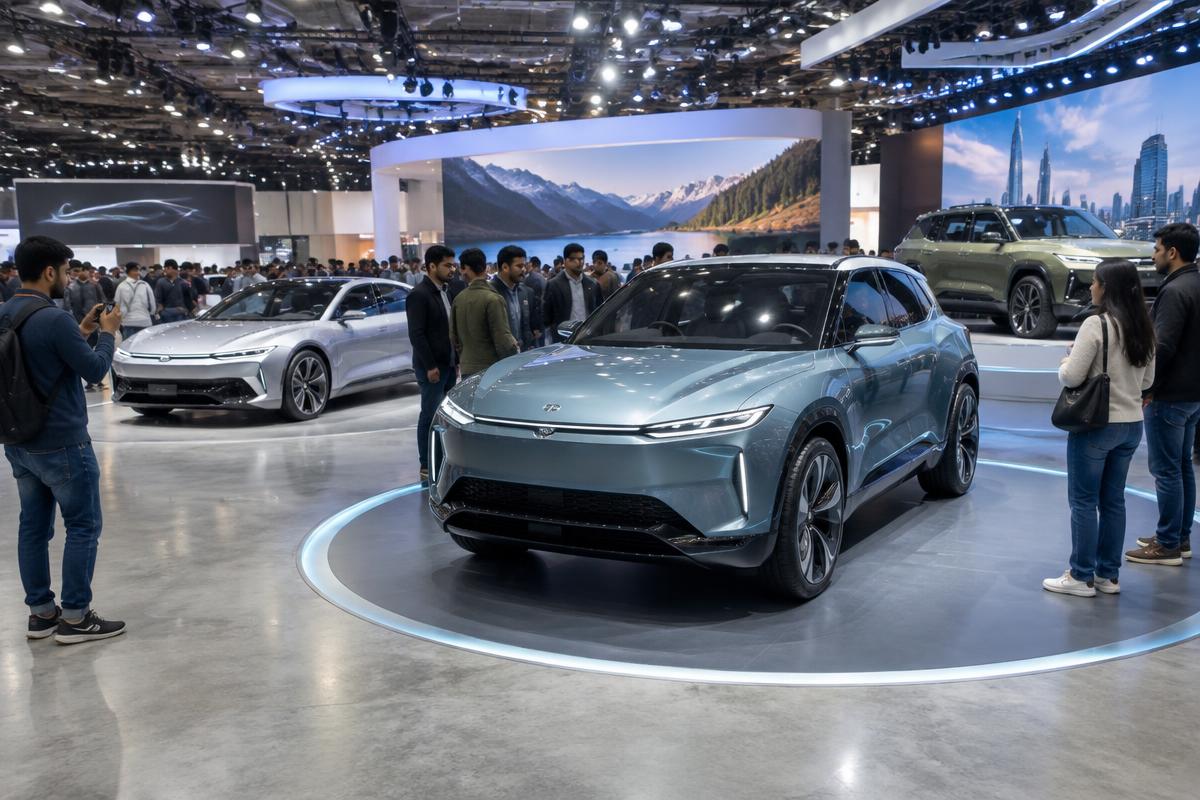
How Government Policies Shape the Indian Auto Sector
By the Bharat Auto Insights Editorial Team · Last reviewed 17 October 2026
Government policy affects what vehicles are sold in India, what they cost and how safe they are. The biggest levers are emission norms, safety regulations, taxation (GST and road tax), incentives for electric vehicles and manufacturing, and the vehicle scrappage policy.
Emission norms
India moved directly from BS-IV to BS-VI emission norms in April 2020, with a further real-driving-emissions phase from 2023. This raised costs, particularly for small diesel engines, and many manufacturers dropped them.
Safety regulations
Mandatory requirements such as dual front airbags, ABS and seatbelt reminders have improved baseline safety. The Bharat NCAP programme, launched in 2023, gives buyers an official crash-test reference.
Electric vehicle support
Central schemes (such as the FAME programme and its successors) and many state EV policies have offered purchase incentives, lower road tax and support for charging infrastructure. Lower GST on EVs than on combustion vehicles also helps. Incentives change frequently — check current terms before buying.
Manufacturing incentives
Production Linked Incentive (PLI) schemes for automobiles, components and advanced batteries aim to grow local manufacturing and exports.
Vehicle scrappage policy
The national vehicle scrappage policy encourages replacing old, unfit vehicles through registered scrapping facilities, with benefits such as registration and road-tax concessions on a new vehicle in many states.
What it means for buyers
- Check state road-tax rules before buying, especially for EVs
- Expect safety equipment to keep improving across segments
- Older vehicles may face fitness-test and city-specific restrictions
Keep reading
News
Automotive news
Analysis of the trends shaping India's car and two-wheeler market: launches, policy, safety rules, EV adoption and what they mean for buyers.
Electric
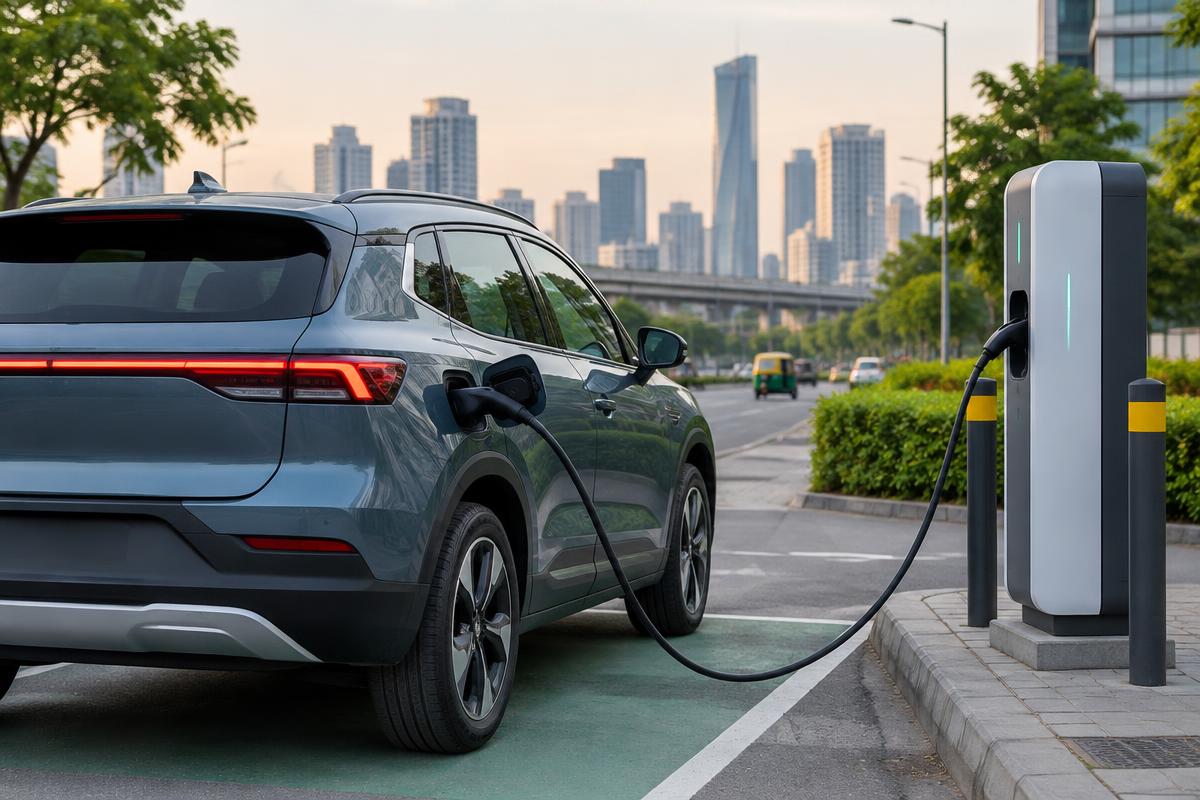
EV guide
A practical guide to electric cars and scooters in India: running costs, charging at home and on the road, incentives, battery care and whether an EV suits you.
Cars
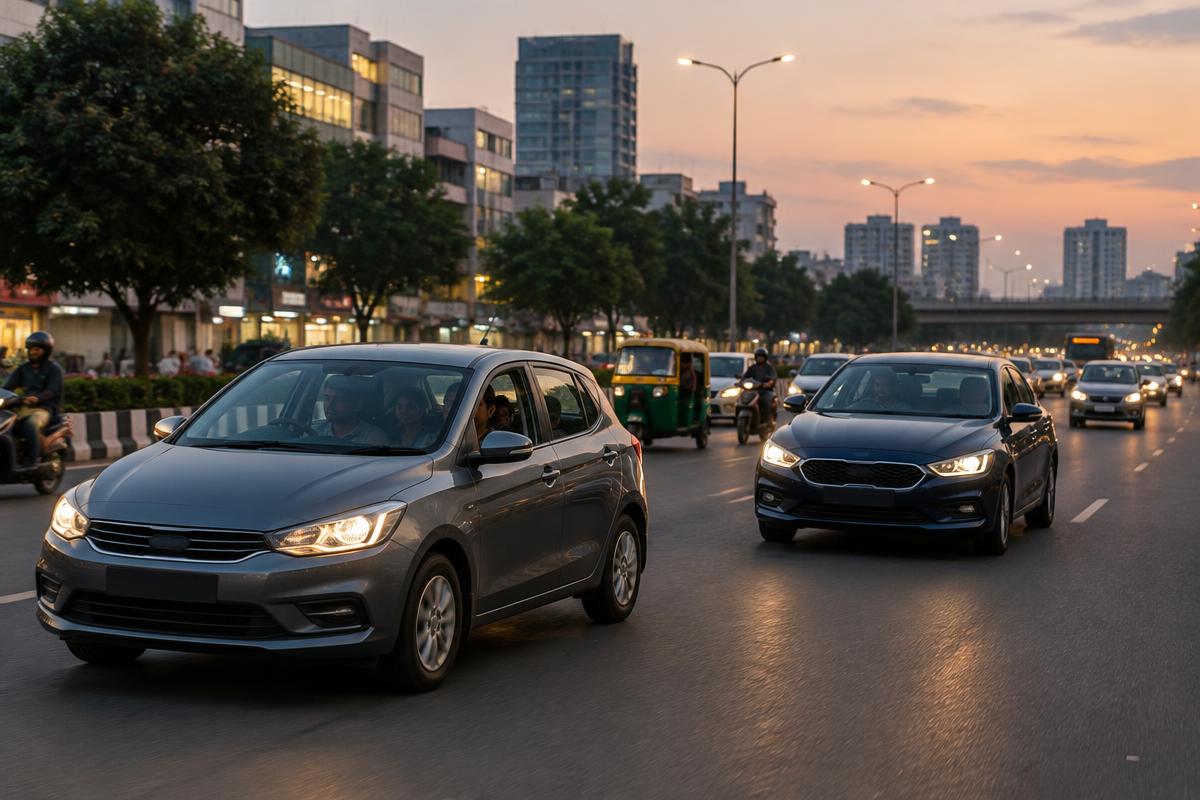
Car safety ratings explained
How Global NCAP and Bharat NCAP crash tests work, what adult and child occupant star ratings mean, and how to use them when buying a car in India.
Get the Bharat Auto Insights newsletter
Practical buying advice, new guides and market explainers. No spam; unsubscribe any time.
See our privacy policy.